Delhi " The City of Djinns " Delhi is the capital city of India. It is the second most populated city in the country. The city has a population of over 22 million people and is spread out over an area of 1484 km. Delhi is situated on the banks of Yamuna and the city is bordered by the states of Haryana and Uttar Pradesh. The city of Delhi is the largest commercial center in the northern part of India. The culture of this place has been influenced by its extensive history and its momentous association as the capital of India.
Tourist Attractions In Delhi
Humayun's Tomb
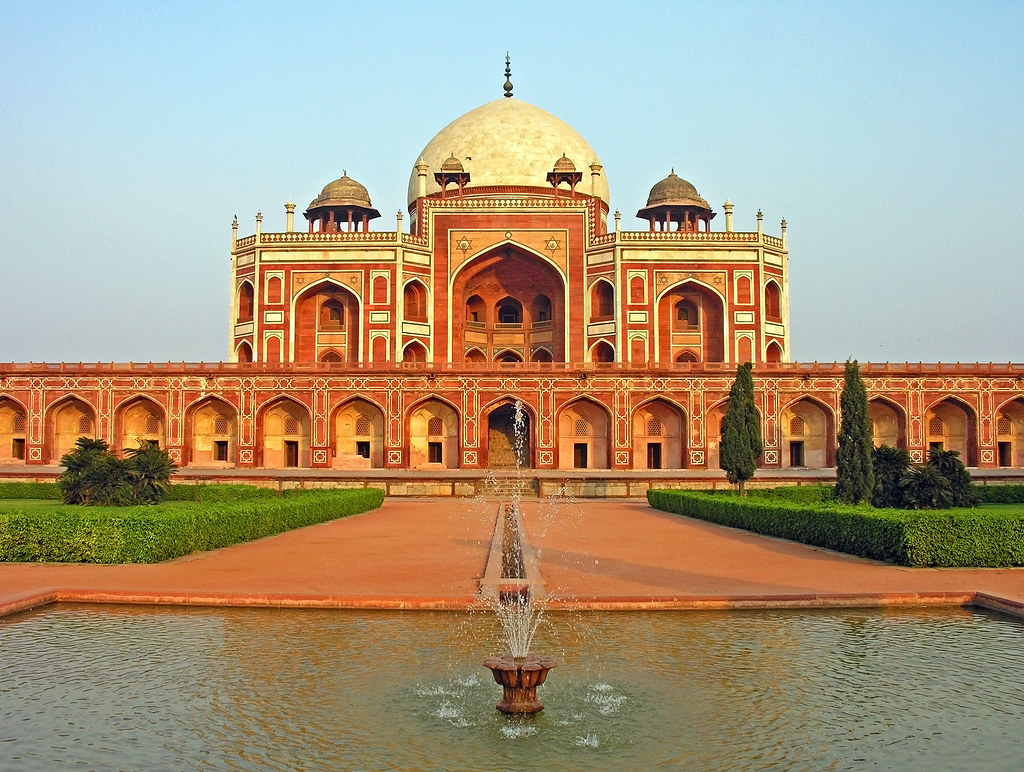
Probably not the iconic image of Delhi but unarguably the most splendid work of Mughal Architecture in the capital, Humayun's Tomb is UNESCO recognised World Heritage Site and definitely tops the list of must-visit places. The structure will give you a glimpse of the iconic Taj as it was here that the Persian Charbagh style was put to test by The Mughal architects and was later perfected in the construction of Taj Mahal in Agra.
Dilli Haat
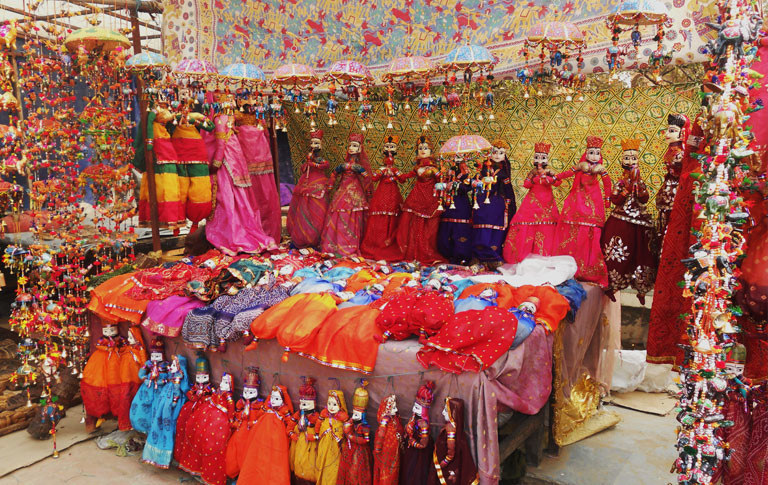
Dilli Haat is an open-air food cum craft bazaar located in Delhi near INA (AIIMS), run by the Delhi Tourism and Transportation Development Corporation. There are over 62 craft shops inside the plaza where artisans from every corner of this vast country gather to sell and showcase their handicraft. Then there are food stalls offering savoury cuisines from every possible state for the platter of guests.
Red Fort

Once the pivot of the mighty Mughal Empire, Red Fort, or the Lal Quila, is a stark reminder of ephemeral nature of empires and powers that be. Once a sprawling fortress complex with an array of palaces, and grand structures, lush courtyards and cascading waterholes; Red fort today is only a shadow of its majestic past. The significance of this structure is evident in the fact that it was here that the flag of India was hoisted when she got independence from British Raj, a tradition which is still observed on each anniversary of Indian Independence Day.
Akshardham Temple
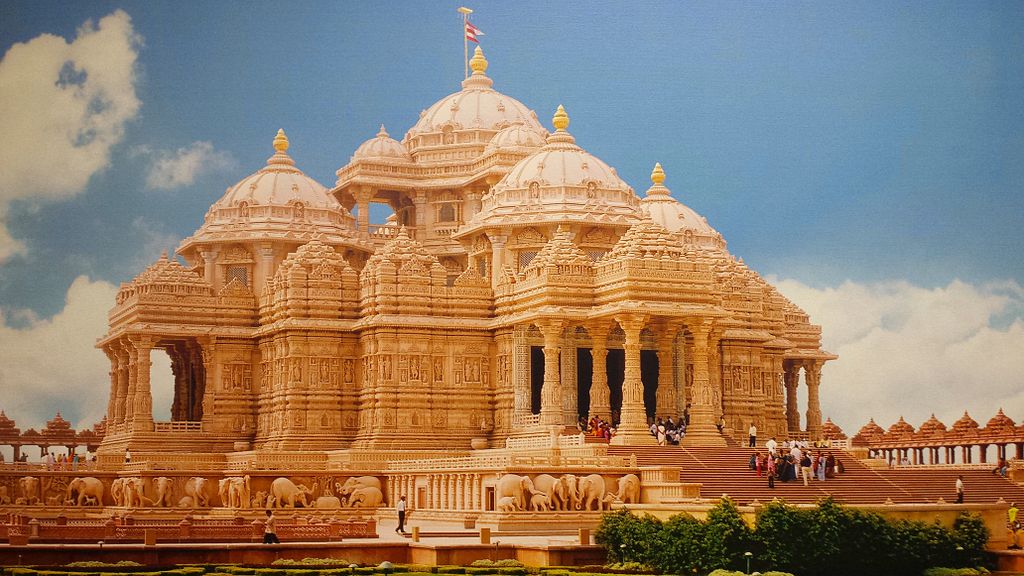
One of the modern marvels of architecture, this sprawling temple complex by the bank of river Yamuna, is a sight to behold. The architecture and design of this temple complex is a manifestation of the time tested ancient traditions of Hindu culture, beliefs and spirituality which has percolated down the ages. The popularity of this temple is evident in the fact that 7 out of 10 people who visit Delhi, pay their visit to Swaminarayan Akshardham Temple.
India Gate
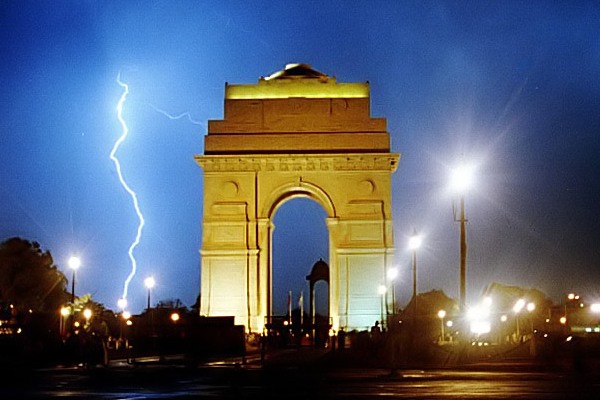
India Gate is arguably the most iconic and enduring symbol of New Delhi. It was built to commemorate the Indian and British soldiers who lost their lives during the Second World War. Evening is perhaps the best time to visit this resplendent structure when it is floodlit while the fountains nearby make mesmerising display of varied hues.
Jama Masjid
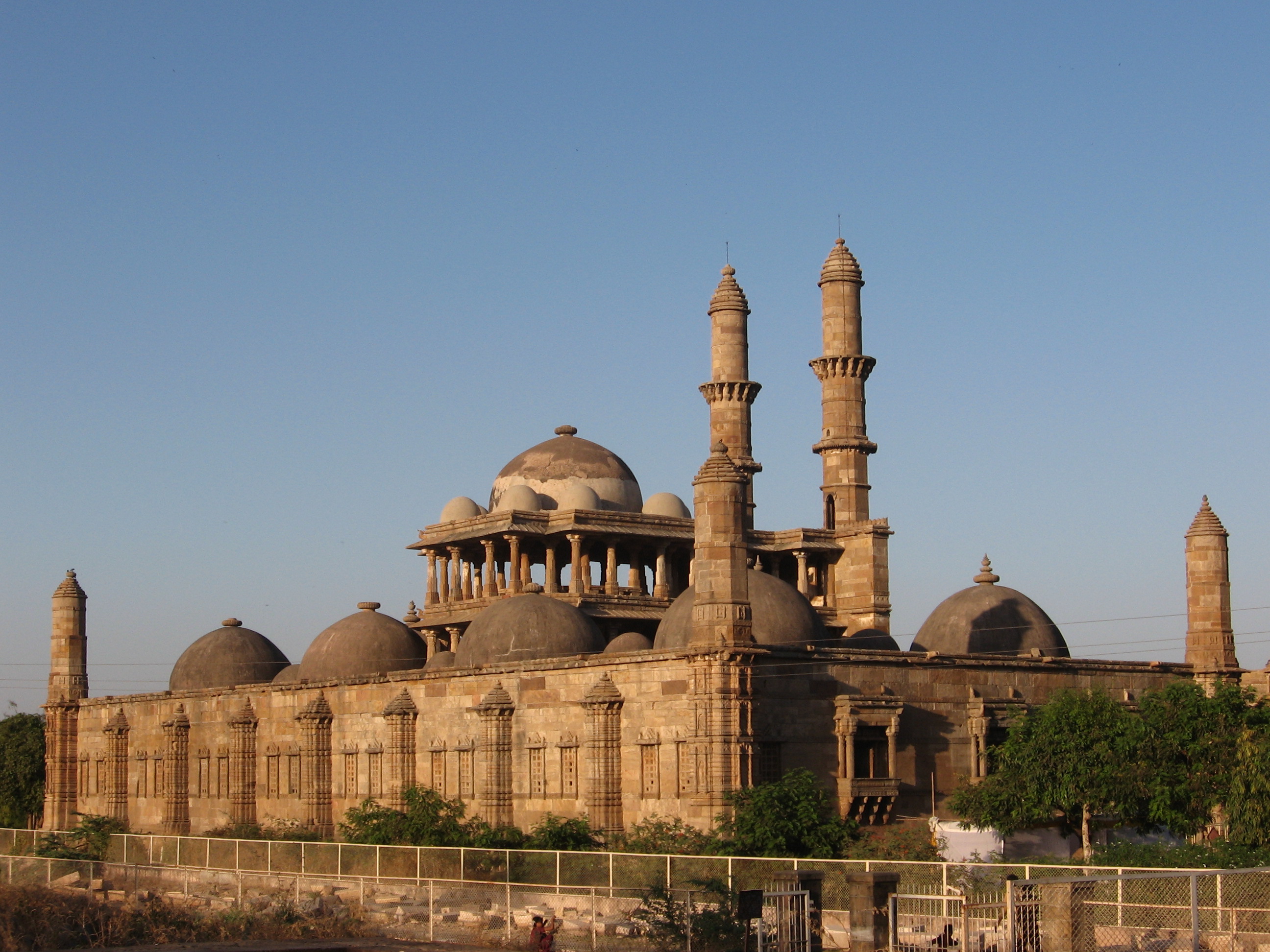
Jama Masjid of Delhi is the largest mosque in India stands across the road in front of the Red Fort. Built between 1644 and 1658. It is one of the last architectural works of the Mughal emperor Shah Jahan. The spacious courtyard of the Jama Masjid holds thousands of faithful.
Lotus Temple
Lotus Temple is one of the remarkable architectures of Bahai faith. It is located at Kalkaji in New Delhi. The temple looks like a lotus flower and is made of marble, cement, dolomite and sand. The temple has no restrictions for visitors and is open to people from all religions. The place provides immaculate environment for meditation, peace and wisdom. The Bahai temple was completed in 1986. Since then the temple has received recognition from all over the world for its splendid architecture and design. Lotus Temple is among the most visited monuments in India.

No comments:
Post a Comment